The Nigerian Entertainment Conference (NECLive), in partnership with Frontyard Group, today announced the release of The State of Nigeria’s Creative Economy 2026. This comprehensive, data-led diagnostic report transforms the national conversation surrounding Nigeria’s creative economy from mere celebration to hard evidence, mapping the exact structural barriers currently inhibiting the sector’s explosive potential.
Capturing the lived working experiences of 377 creative professionals across eight sectors, the report draws on an extensive survey gathered in the weeks following NECLive 2025. It spans the full arc of the creative working life, analysing everything from daily operational obstacles to international export barriers.
A central, unambiguous revelation of the 2026 report is that a shortage of talent does not hold back Nigeria’s creative sector. Rather, the ecosystem and machinery surrounding that talent are fundamentally restricting its growth.
Survey participants identified critical roadblocks limiting their ability to scale. These include Basic Infrastructure Deficits, Administrative Burden, Friction in Payment Rails, and Deficient Financing & Training, among others.
“We have never lacked influence. What we have lacked is evidence about the machinery beneath that influence and the honest conversation that evidence makes possible. A sector that can name its own constraints is a sector ready to be built. The talent has already done its part. It is time for the systems to catch up, says Tomiwo Ojo, Head of Content at ID Africa.
This report moves the conversation from dialogue to a set of clear, actionable recommendations for the government, investors, and the private sector, marking another significant milestone in NECLive’s long history of shaping Africa’s entertainment landscape.
The State of Nigeria’s Creative Economy 2026 is now available for download to the public, policymakers, and industry stakeholders.
To access the full report, please visit the official NECLive website at nec.ng
NECLive, the marketplace of ideas, products and services for the African entertainment industry, will release The State of Nigeria’s Creative Economy Report on Monday, 29th of June 2026. The data-backed report is produced in partnership with Frontyard Group, an innovation and investment engine powering Africa’s creative frontier.
The State of Nigeria’s Creative Economy 2026 report is a first-of-its-kind diagnostic of the business and infrastructure realities facing the people who power Nigeria’s cultural output. Drawing on the lived experience of 377 creative professionals across film and music, fashion, gaming, and other sectors of the creative economy, the report asks what stands in their way rather than what inspires them. It then moves the national conversation about the creative economy from dialogue to evidence, and from evidence to policy.
“Nigeria has never had a problem telling the world a great story about its culture. What we’ve lacked is honest evidence about the machinery beneath it,” Tomiwo Ojo, Head of Content at ID Africa, says “This report is that evidence. It shows, in the words of creatives themselves, that the talent has already done its part and the systems have to catch up. I hope that everyone with the power to resource this sector reads it and acts.”
Nigeria’s creative sector is not constrained by a shortage of talent but by the systems surrounding it: unreliable power and connectivity, which respondents rank as the single biggest daily obstacle; the administrative burden that costs more than eight in ten professionals over a tenth of every working week; and the financing and payment barriers that block creators from reaching global markets. The report closes with a set of action-ready recommendations for government, investors, and the private sector.
The State of Nigeria’s Creative Economy 2026 will be available on Monday, 29 June 2026 via nec.ng
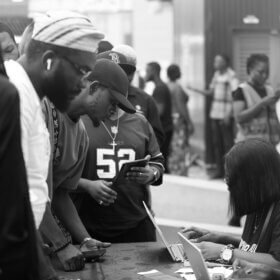
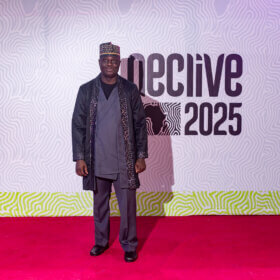
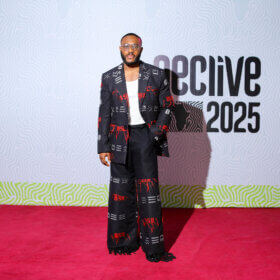
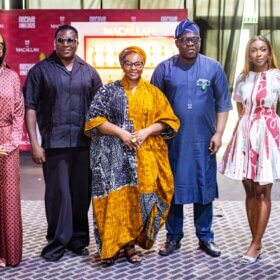
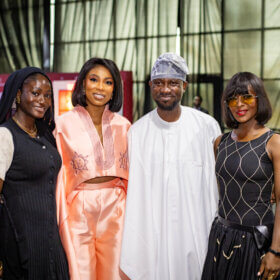
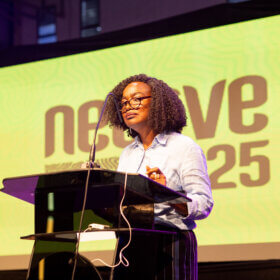
NECLive 2025, concluded on Friday, November 28, 2025, at the Landmark Events Centre in Lagos, marking another milestone in its 13-year history of shaping Africa’s entertainment landscape.
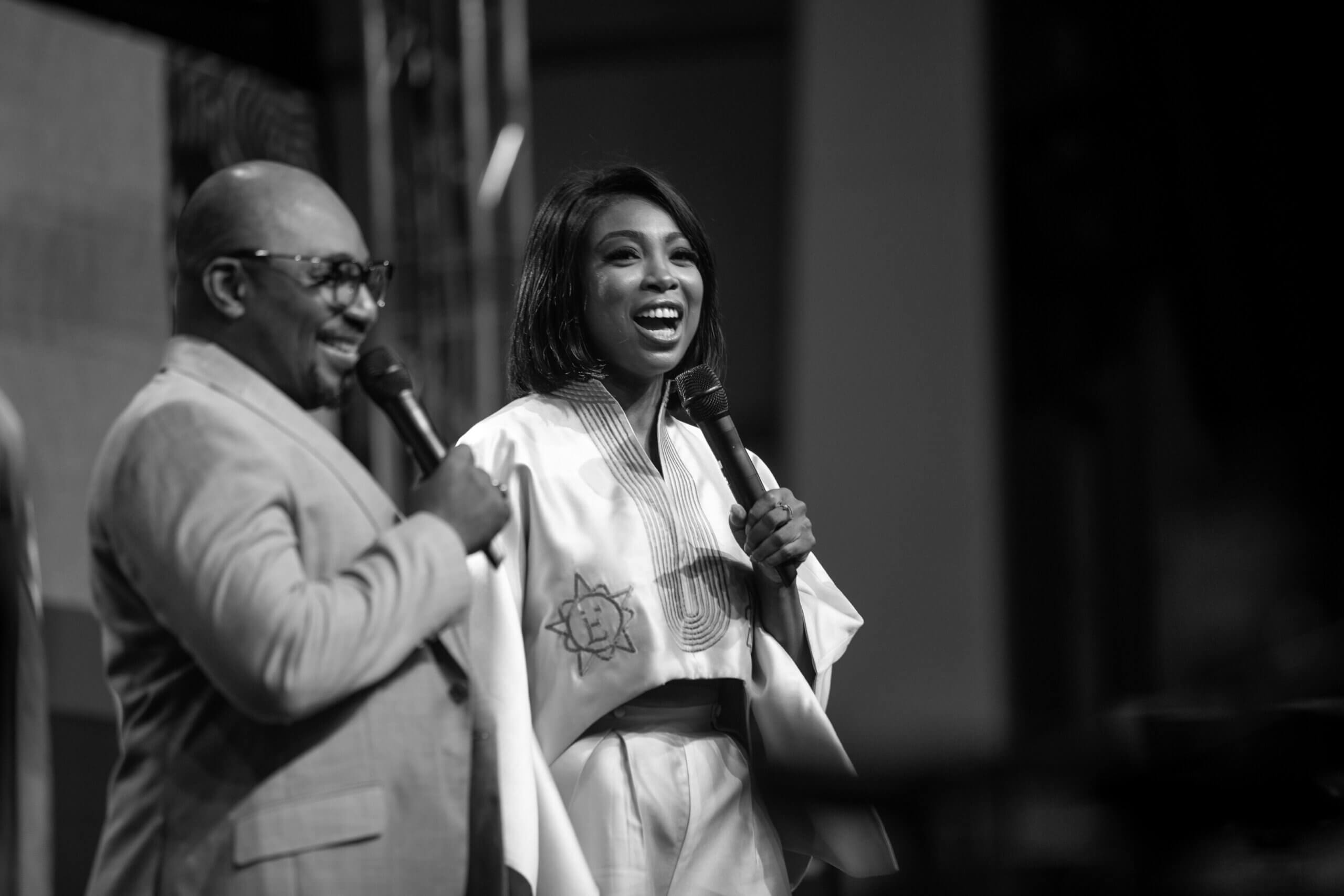
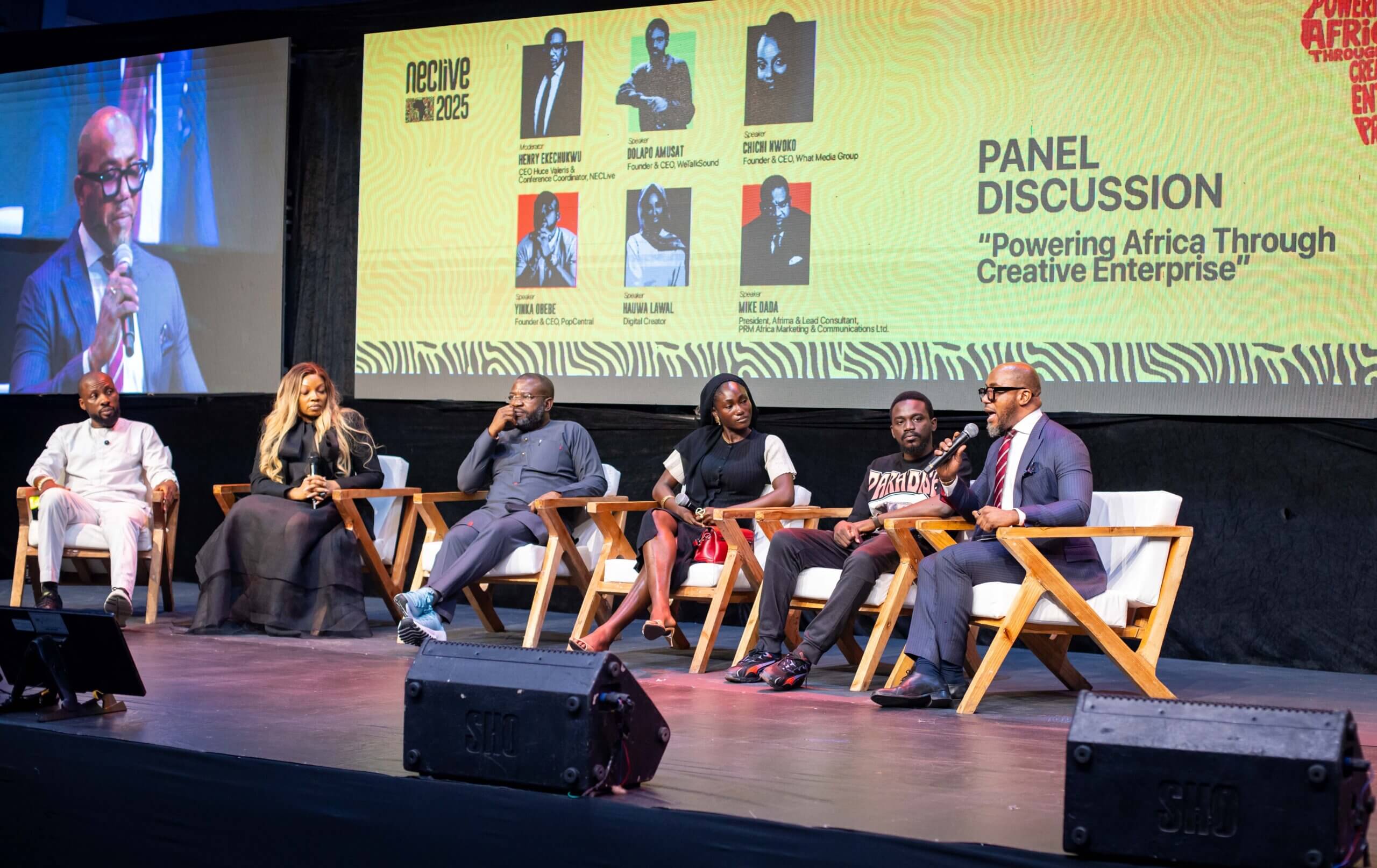
Under the theme “Powering Africa Through Creative Enterprise,” the conference hosted by Tee A and Bolanle Olukanni brought together over 50 participants, including Steve Babaeko, A’isha Umar Mumuni, Atinuke Babatunde, and Colette Otusheso, for a day of transformative conversations about turning Africa’s cultural dominance into sustainable economic power.
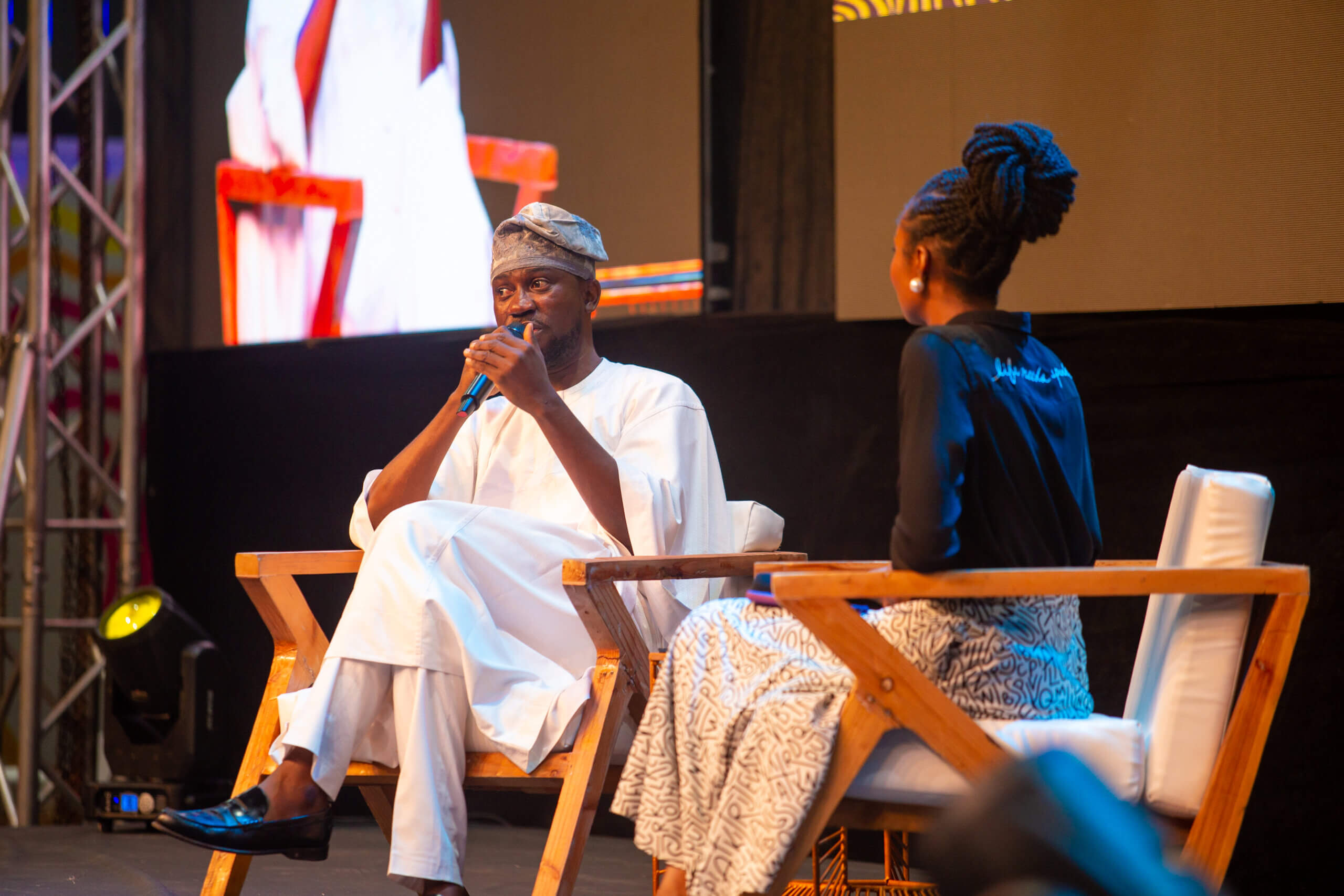
Ayeni Adekunle emphasised the importance of building awareness and investment: “We need more forums like this. Thirteen years ago, when we started NECLive, it was the only one. Today, there is a conference every other day, and it’s good. The more awareness there is, the more investment there is, the more we can build.” He also revealed plans to announce a fund next year to support young creators and innovators who lack access to conventional financing, signalling NECLive’s continued commitment to actionable solutions beyond dialogue.
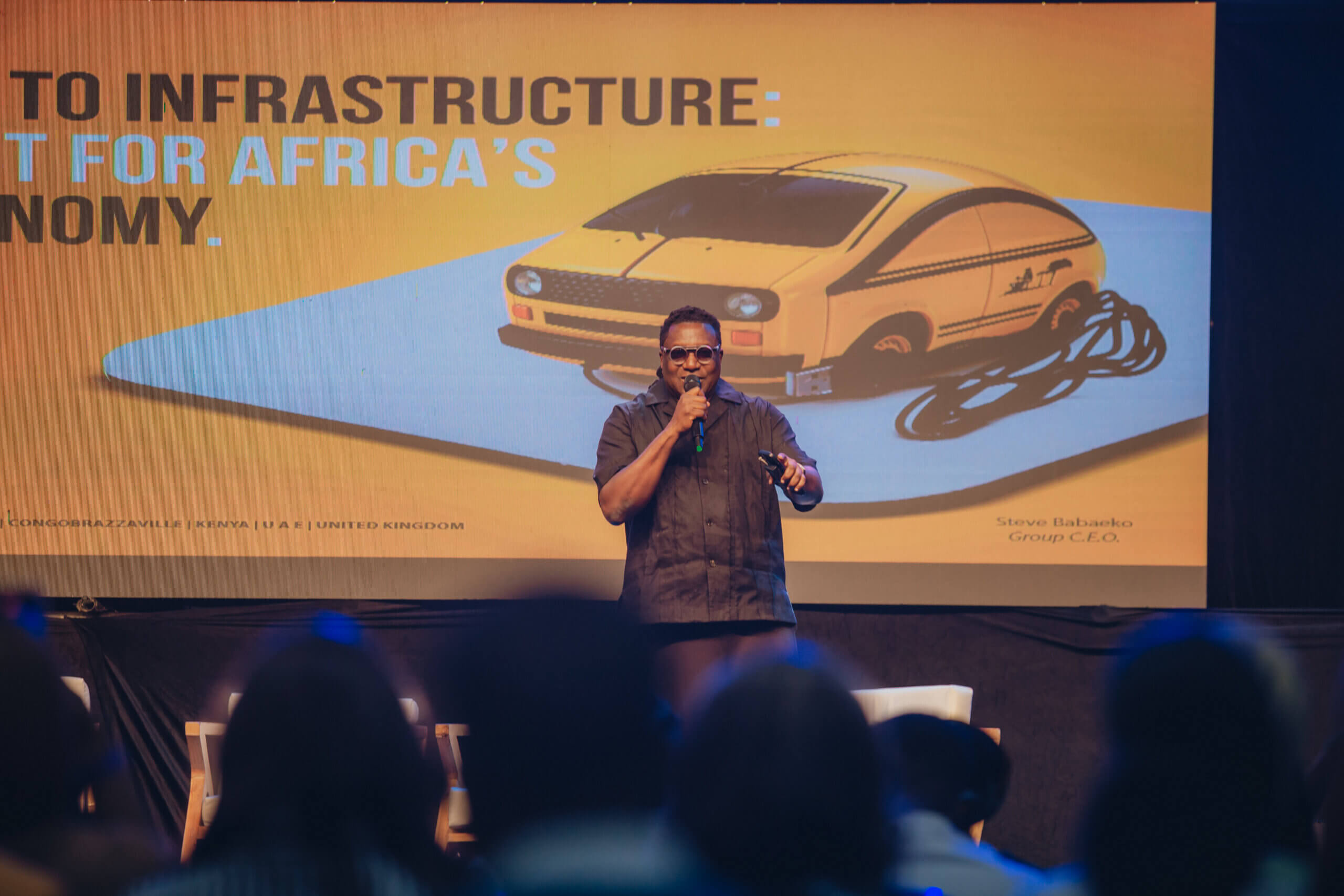
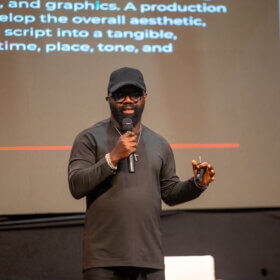
In his keynote address, Steve Babaeko, CEO of X3M Ideas, highlighted the ingenuity and challenges of Nigeria’s creative sector. While critics sometimes focus on Nigeria’s limitations, the talent and determination of its people remain extraordinary. However, he warned that the country’s creative economy, contributing only 1.2 per cent to GDP, cannot rely solely on individual hustle.
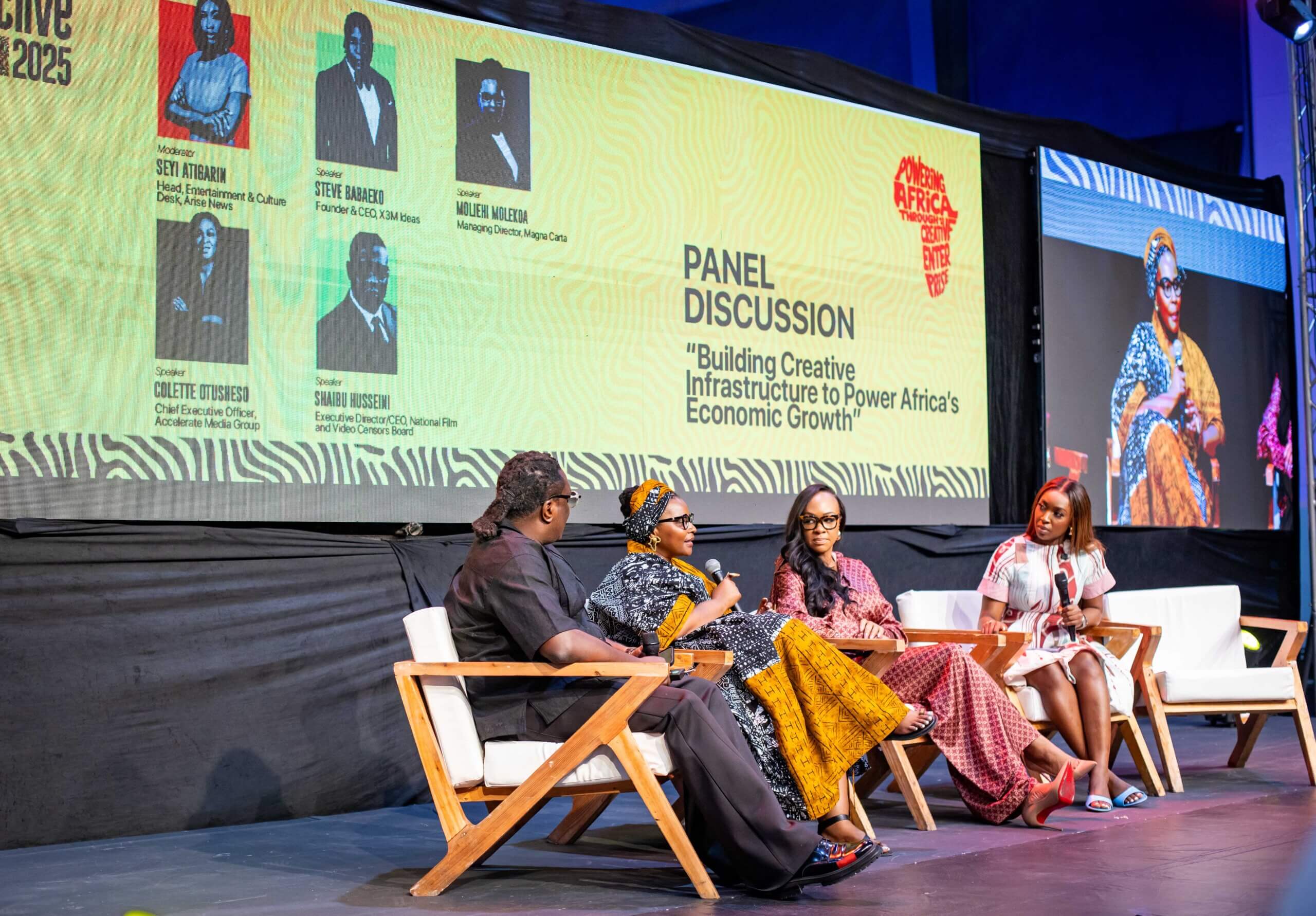
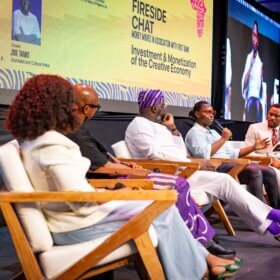
The panel session, “Building Creative Infrastructure to Power Africa’s Economic Growth,” brought together Steve Babaeko, Moliehi Molekoa, Shaibu Husseini, and Colette Otusheso, moderated by Seyitan Atigarin examined what effective infrastructure looks like for film, music, art, design, and advertising, providing practical guidance for creatives, investors, and stakeholders on building ecosystems that nurture talent and drive long-term impact.
Colette Otusheso explained the kind of infrastructure that can allow young creatives to thrive using the model at Accelerate Media Group: “Infrastructure in terms of creating a place where people can grow, a space for collaboration and learning. One of our biggest challenges is not having the infrastructure for them to learn in the creative sector.”
A’isha Umar Mumuni, Chief Digital Officer at MTN, delivered a compelling presentation addressing Africa’s position in the global creative economy. She highlighted Africa’s abundant talent and cultural capital while addressing the continent’s current lack of full access to the global creative economy. She emphasised the policy, business, storytelling, and technological changes needed to position Africa as a global creative exporter.
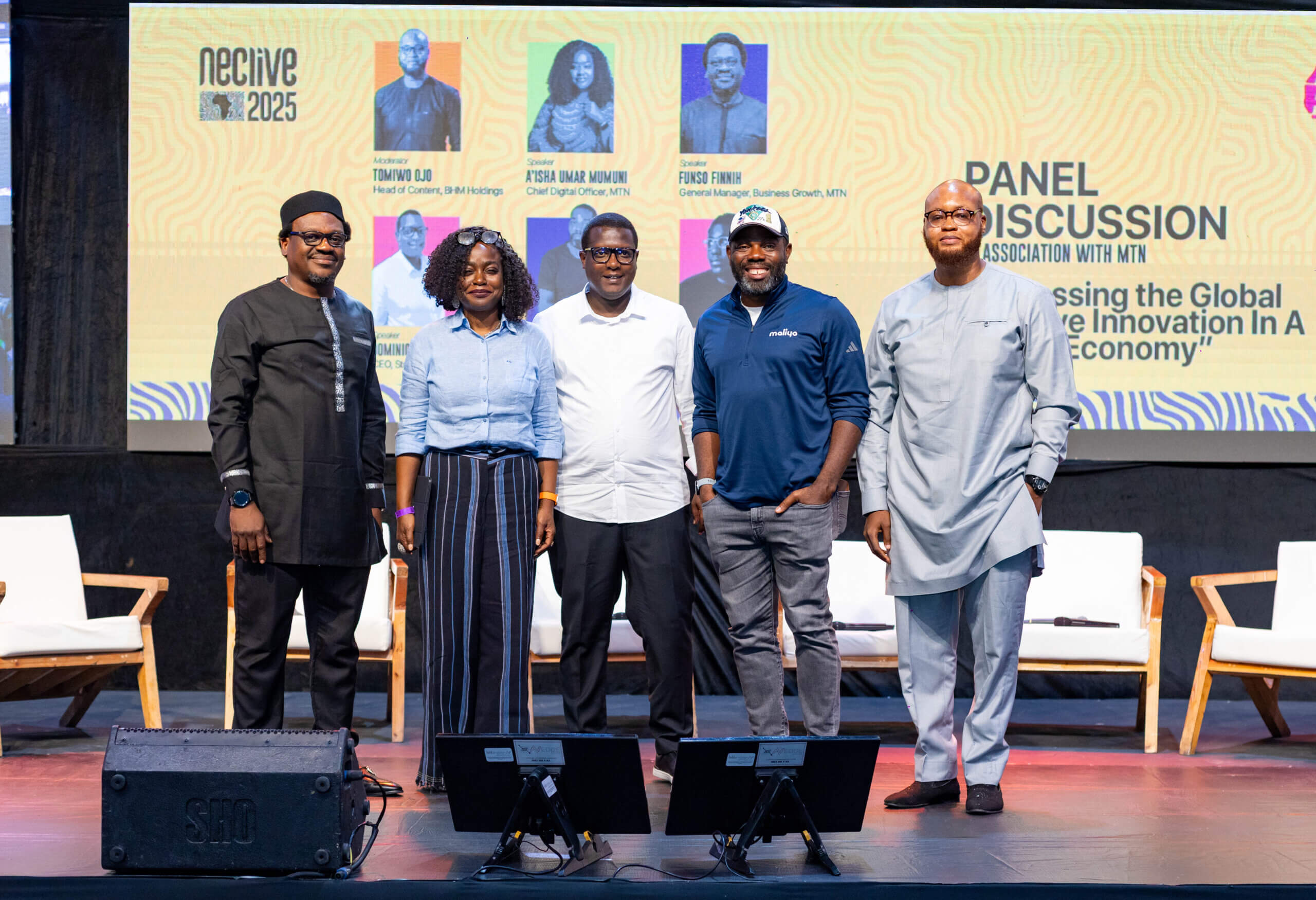
Another panel session, “Accessing the Global Creative Innovation in a Digital Economy,” featured critical discussions on diaspora markets and value retention. Dominique Ntirushwa, CEO of Streampay Platforms Africa, stressed the need to reduce data costs for African consumers, explaining that affordable streaming remains one of the biggest barriers to digital participation.
MTN’s Funso Finnih noted the need for “building dams”—the core infrastructure needed to enhance distribution, access, and monetisation. “African content is now exported globally through music, fashion, and gaming, but the continent is still not extracting enough value from these exports.”
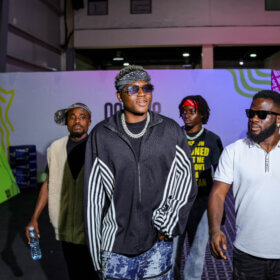
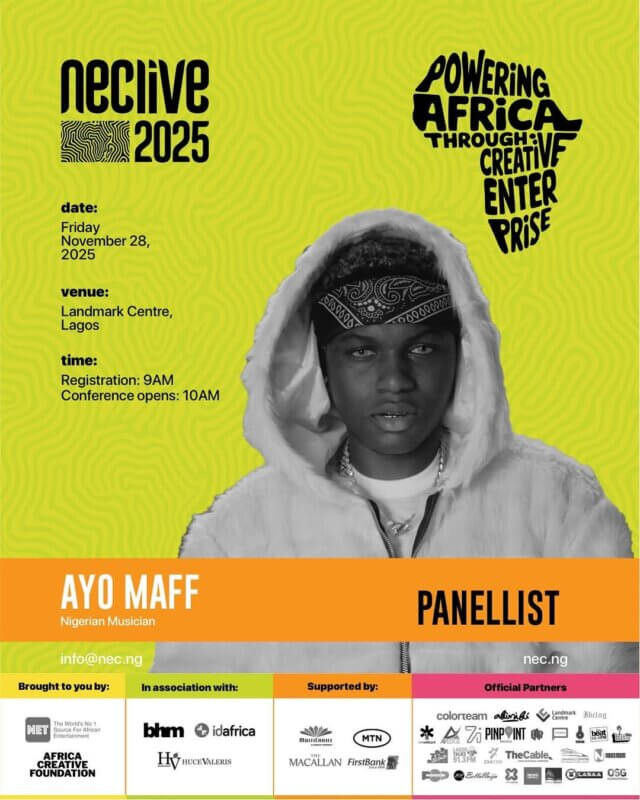
A standout moment came during the “Funding the Creative Enterprise Ecosystem” panel, moderated by Gbemi Olateru-Olagbegi, where music artist Ayo Maff revealed his transition into acting after being cast in Chris Ihidero’s upcoming movie. “I wanted to see myself in a movie,” he shared, discussing how years of shooting music videos inspired his film debut. His story exemplified the rising wave of multidisciplinary artists in Nigeria’s entertainment landscape.
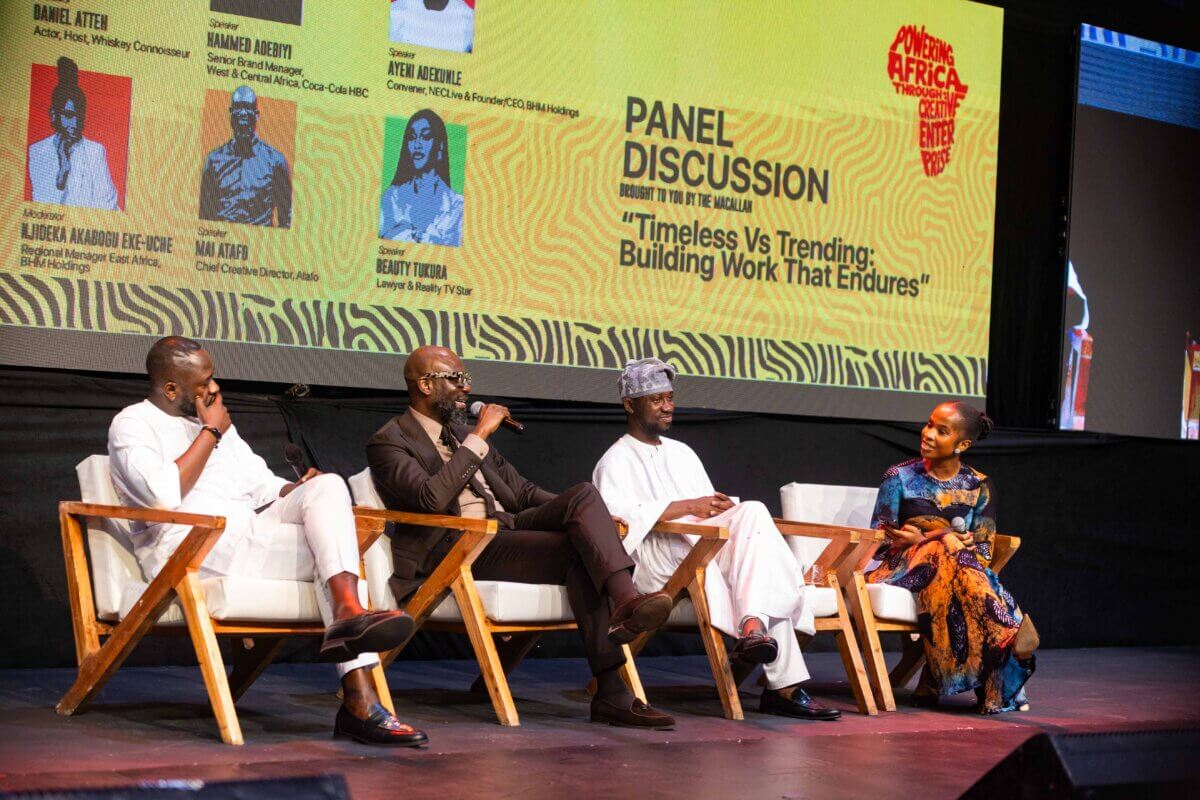
The “Timeless Vs Trending: Building Work That Endures” panel featured Daniel Atteh as educator, with panellists Hammed Adebiyi, Mai Atafo, and NECLive founder Ayeni Adekunle. Moderated by Njideka Akabogu Eke-Uche, the session examined how to balance timeless craftsmanship with fast-moving trends to create enduring creative work that influences culture and storytelling across industries.
Atinuke Babatunde, Head of Content at MultiChoice West Africa, delivered a powerful address on why Africa’s economic future depends on its creators, highlighting the creative sector’s potential to generate jobs, build global brands, and reshape the continent’s narrative. A dedicated panel session in partners hip with MultiChoice featured Kola Omotosho, Victor Agahowa, Atinuke Babatunde, and Emmanuel Adejo.
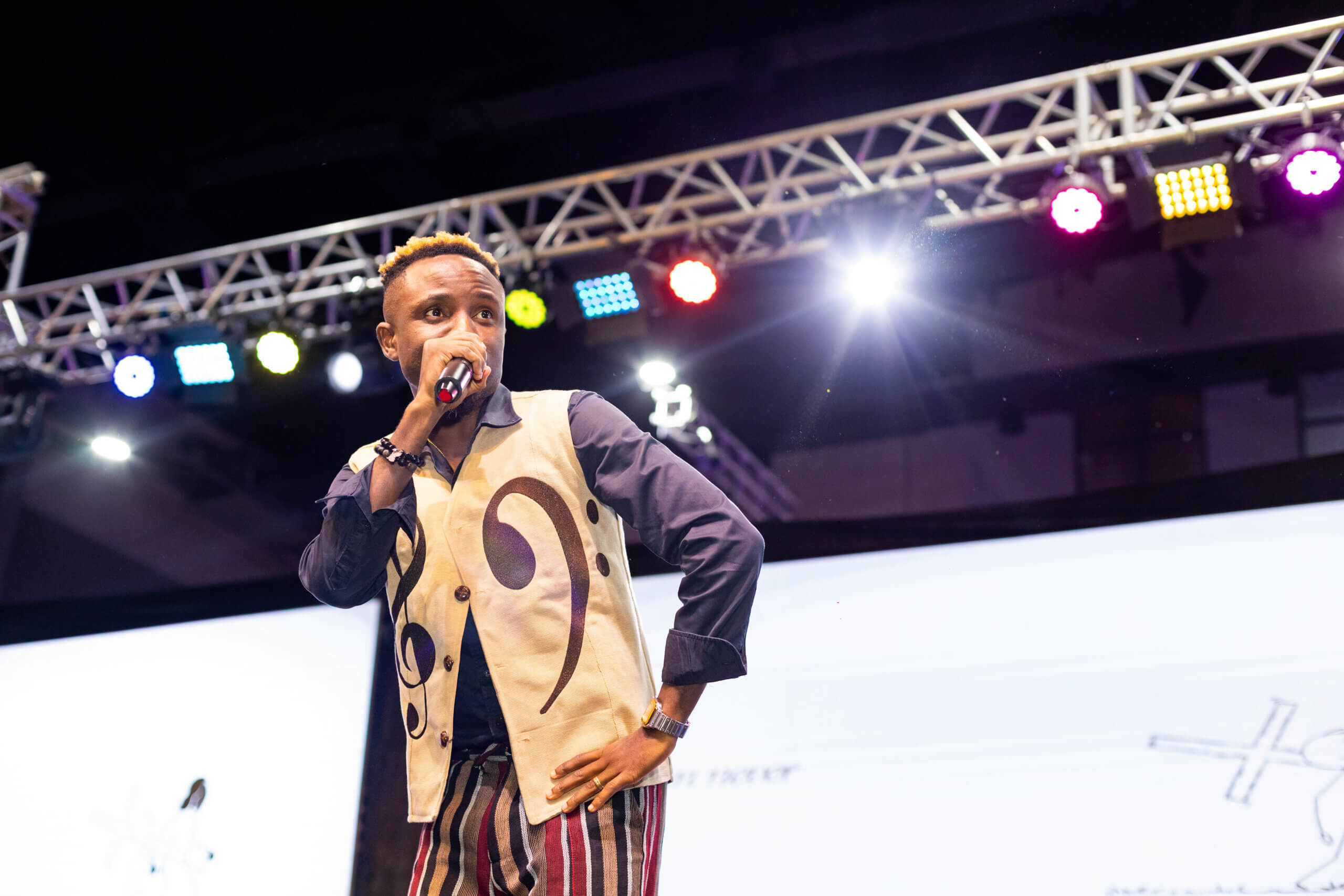
The afternoon sessions were energised by Gaise Baba, who performed his 2025 viral track “No Turning Back. and Ekemini Ekerette, who led a masterclass on “Fitness, Wellness & Creativity,” highlighting the role of physical and mental well-being in sustaining creativity—a critical conversation often overlooked in discussions about creative enterprise.
NECLive 2025 was brought to you by Nigerian Entertainment Today and the Africa Creative Foundation, in association with ID Africa, BHM, and Huce Valeris. Major sponsors included MultiChoice, MTN Nigeria, First Bank, and The Macallan.
Speakers and panellists consistently emphasised that while Nigeria’s creative economy is worth over $4.2 billion annually and African talent is gaining unprecedented global recognition, significant challenges remain. Infrastructure gaps, funding limitations, weak intellectual property protection, and distribution issues persist, preventing the continent from capturing its full share of the $2.25 trillion global creative economy.
However, NECLive 2025 made one thing abundantly clear: the conversation has evolved from whether Africa’s creative industries can compete globally to how quickly the continent can build the infrastructure, policies, and investment frameworks needed to capture and retain the value its creators generate. As Ayeni Adekunle stated in his opening remarks, “My dream and vision is that we can build at scale, and we are not just longing to be a part of what Hollywood has. I want us to perform at such a scale that we are a force to be reckoned with, and we are on the way there.”
With the announcement of an upcoming fund to support young creators and the continued expansion of platforms like NECLive, Africa’s creative economy is not just rising—it’s building the foundation to dominate. The future isn’t just bright; it’s already being constructed, one conversation, one partnership, and one bold vision at a time.
For those who missed the event, comprehensive coverage is available on nec.ng, thenet.ng, and their social pages
At NECLive 2025, Ayo Mafoluku popularly known in the music scene as Ayo Maff — revealed that acting has always been a secondary passion, now finally coming to life with his debut on the big screen. Speaking during the panel session “Funding the Creative Enterprise Ecosystem,” he shared that years of shooting music videos inspired his interest in film. “I wanted to see myself in a movie,” he said. “I was happy to take this role and embrace the opportunity.”
Moderated by Gbemi Olateru-Olagbegi, the panel explored essential considerations for creatives looking to protect and monetize their work. Ayo Maff’s story aligned with the broader discussion, which emphasized the importance of financial planning, legal protection, and risk management in building a sustainable creative career.
Ayo Maff’s transition from music to acting reflects the rising wave of multidisciplinary artists in Nigeria’s entertainment landscape. His debut marks a significant step in a growing ecosystem where musicians, actors, and filmmakers increasingly move across creative boundaries — supported by stronger financing structures, collaboration opportunities, and professional guidance.
At NECLive 2025, filmmaker Chris Ihidero shared another highlight from his recent collaborations, revealing that Ayo Maff not only featured in his latest movie project but also recorded an Afrobeats song specifically for the film.
During his session, Ihidero expressed his admiration for Ayo Maff’s versatility and creative range, noting that the artist’s contribution added a vibrant musical layer that enriches the project’s overall storytelling.
He emphasized that partnerships like this demonstrate the powerful synergy between music and film in shaping modern African narratives and creating deeper audience engagement.
At NECLive 2025, filmmaker Chris Ihidero reflected on one of the standout moments from his recent projects, describing his experience working with rising talent Ayo Maff as “amazing.”
Speaking during his session, Ihidero highlighted the artist’s professionalism, creativity, and energy on set — qualities that, he noted, significantly elevated the production experience.
He emphasized that collaborations like this continue to inspire his work and reinforce the value of partnering with young talents who bring fresh perspectives and authenticity to African storytelling.
At NECLive 2025, filmmaker Chris Ihidero shared a major milestone for his latest project, announcing that their new film, Never Far Away, achieved 1.2 million views in just six days.
He revealed that when the film was first released on the YouTube channel, the platform had just over 500 subscribers, but following the film’s explosive reception, the channel has now grown to more than 8,000 subscribers, a testament to the film’s impact and audience appeal.
Ihidero noted that this success underscores the rising demand for compelling African storytelling and highlights the importance of quality production, strategic distribution, and understanding audience behaviour in the digital age.
At NECLive 2025, filmmaker and media leader Chris Ihidero reflected on a long-standing commitment he made to his boss — to deliver 5,000 hours of content annually noting that this ambitious target will finally become achievable by 2028.
Speaking with conviction during his session, Ihidero explained that ongoing investments in infrastructure, creative talent, and production capacity are steadily shaping the systems needed to meet such a massive output goal.
He emphasized that reaching this milestone is not just about volume but about building a sustainable content ecosystem that empowers creators, strengthens distribution, and positions African storytelling for global relevance.
At NECLive 2025, filmmaker and storyteller Chris Ihidero made a bold declaration about his upcoming project, Aloma: Messiah Chronicles, stating that it “will be the most important film of 2026.”
In his session, Ihidero spoke passionately about the film’s vision, its cultural significance, and the depth of its narrative, emphasizing that Aloma: Messiah Chronicles is designed to challenge perspectives and spark critical conversations within and beyond the industry.
He noted that the project represents years of creative development, strategic collaboration, and a commitment to elevating African storytelling to new heights — reinforcing his belief that the film is set to make a defining impact when it is released in 2026.
At NECLive 2025, Kola Omotosho, a Top 5 finalist from the just-concluded Big Brother Naija Season 10 and a leading media strategist, highlighted the financial and structural challenges facing Africa’s content industry. In his session titled “The Business Side of Content Creation Is Struggling,” Omotosho examined how monetization, funding, and sustainable business models remain critical hurdles for creators across the continent.
Drawing on his experience as both a media professional and a reality TV star with a large audience following, he emphasized the importance of professionalizing content operations and adopting innovative approaches to revenue generation.
Omotosho’s insights underscored that while creativity is abundant, bridging the gap between artistic talent and viable business structures is essential for long-term growth and global competitiveness.